Equipping yourself with life-saving skills is one of the most practical investments you can make, whether you are stepping into a healthcare role, supervising a local childcare facility, or simply seeking to build emergency readiness for your family in Stockton, California. When an unexpected cardiac event, choking incident, or severe injury occurs, immediate intervention from a bystander often bridges the critical gap before professional emergency medical services arrive.
Choosing the right instructional path involves understanding how hands-on training builds real-world confidence, which requirements apply to your specific workplace or educational program, and how local training resources operate right here in San Joaquin County.
Navigating Emergency Preparedness in Central California
Stockton serves as a bustling hub of commerce, education, and healthcare in the Central Valley. From busy educational campuses like San Joaquin Delta College and local school districts to bustling healthcare networks like St. Joseph’s Medical Center and Dameron Hospital, the need for reliable, standardized emergency response training touches nearly every sector.
Workplace safety standards across California businesses, manufacturing facilities, and community organizations emphasize the importance of having staff members trained to act decisively during critical moments. When employees or community members understand how to recognize cardiac arrest, clear an obstructed airway, or manage bleeding before paramedics arrive, the overall safety profile of the local community strengthens significantly.
For students pursuing careers in nursing, medical assisting, allied health, or education, holding a valid course completion document is frequently a mandatory prerequisite before stepping foot into clinical rotations, student-teaching classrooms, or patient-care units. Knowing which curriculum matches your professional obligations ensures you fulfill compliance standards without spending time on unnecessary coursework.
Understanding Course Options: General Public vs. Healthcare Provider Training
Not all safety training programs are structured the same way. Selecting the right curriculum depends heavily on why you need the training and who you might be called upon to help.
General Public and Workplace Safety (CPR and First Aid)
Designed for everyday citizens, teachers, fitness instructors, coaches, construction workers, and office staff, standard CPR and First Aid courses focus on practical, actionable steps for adult, child, and infant emergencies. Participants learn how to:
- Recognize the signs of sudden cardiac arrest and respiratory distress.
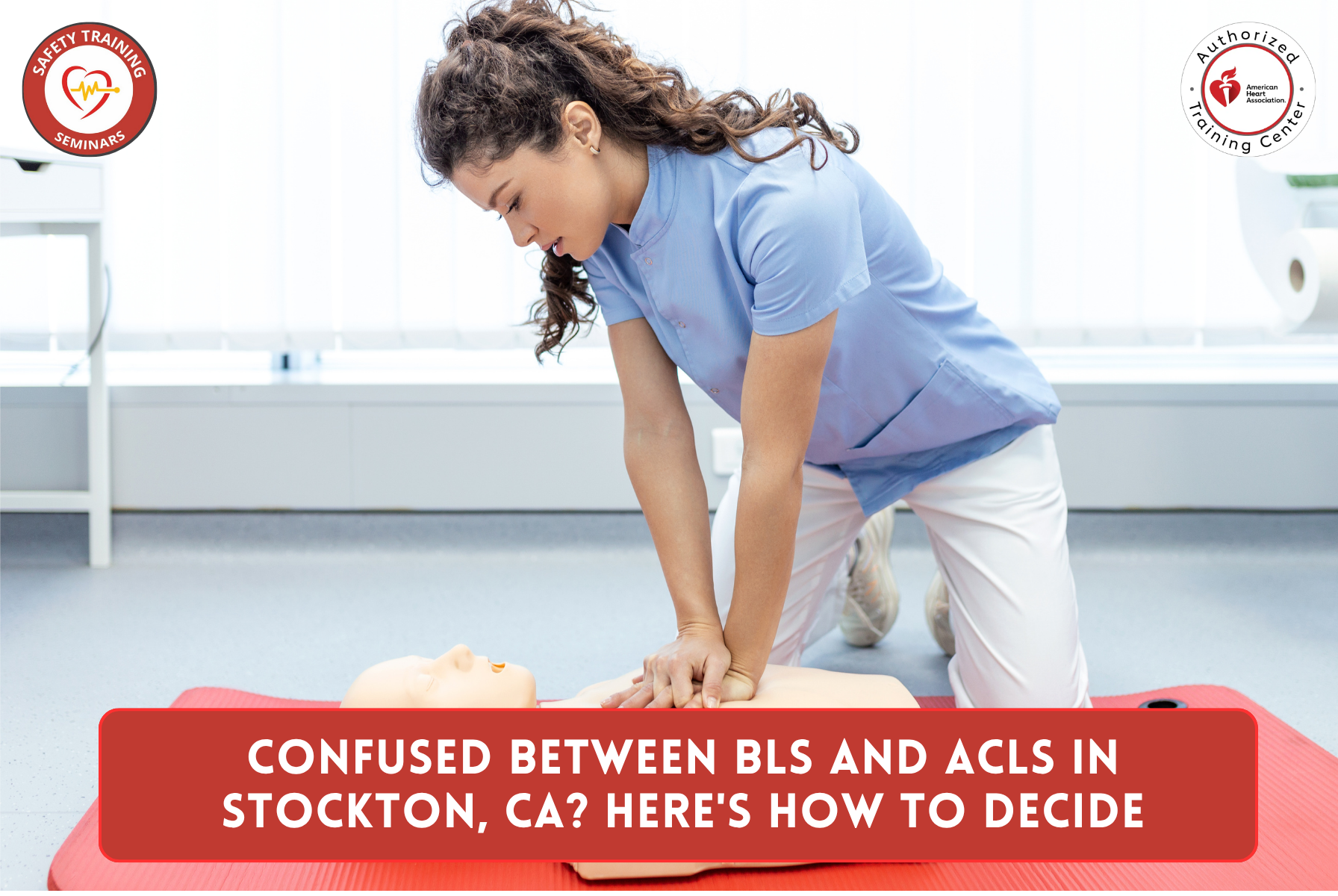
- Perform high-quality chest compressions and rescue breaths.
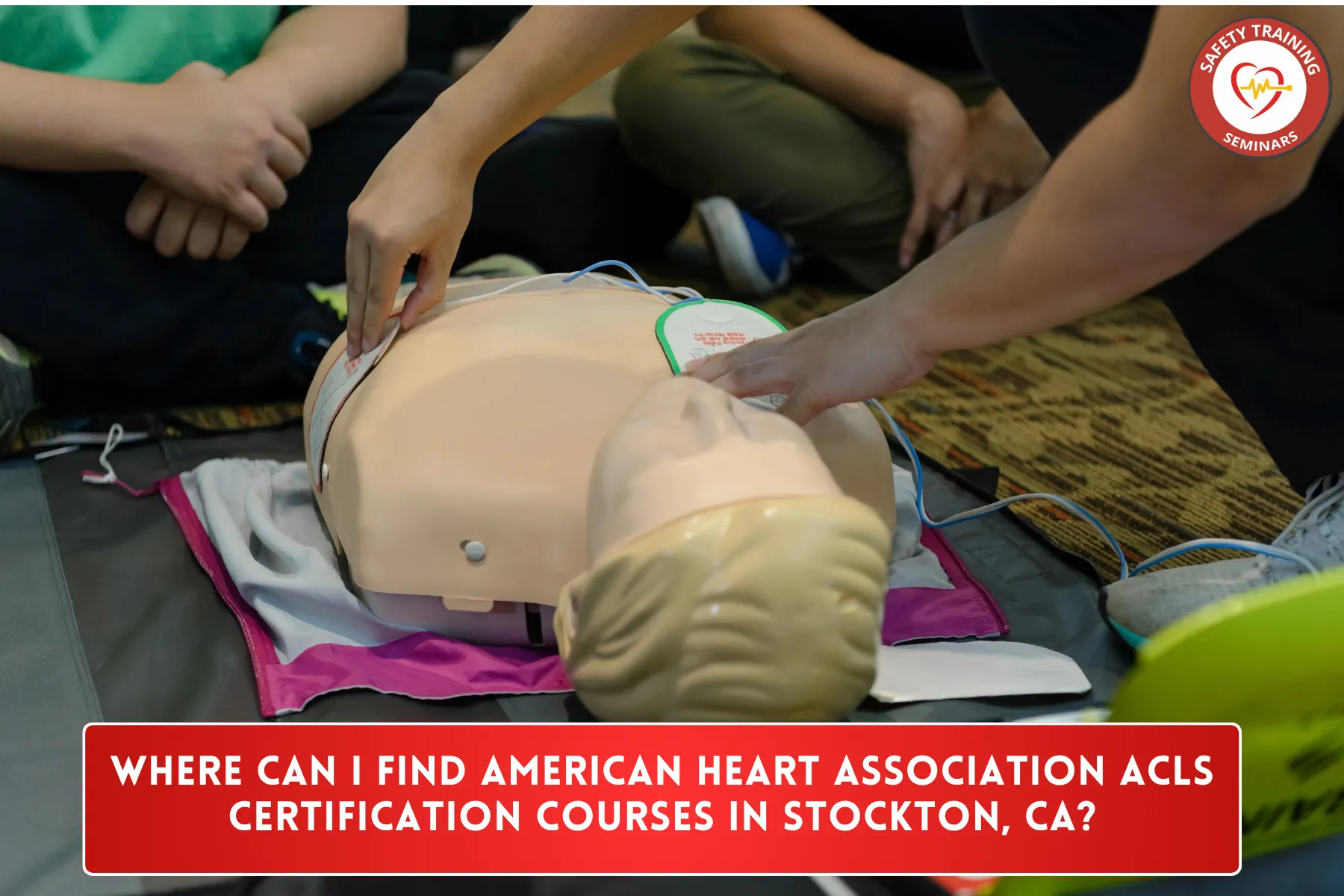
- Properly operate an Automated External Defibrillator (AED) to restore normal heart rhythms.
- Manage common workplace and environmental injuries, including cuts, burns, sprains, and allergic reactions.
Healthcare Provider Level (BLS)
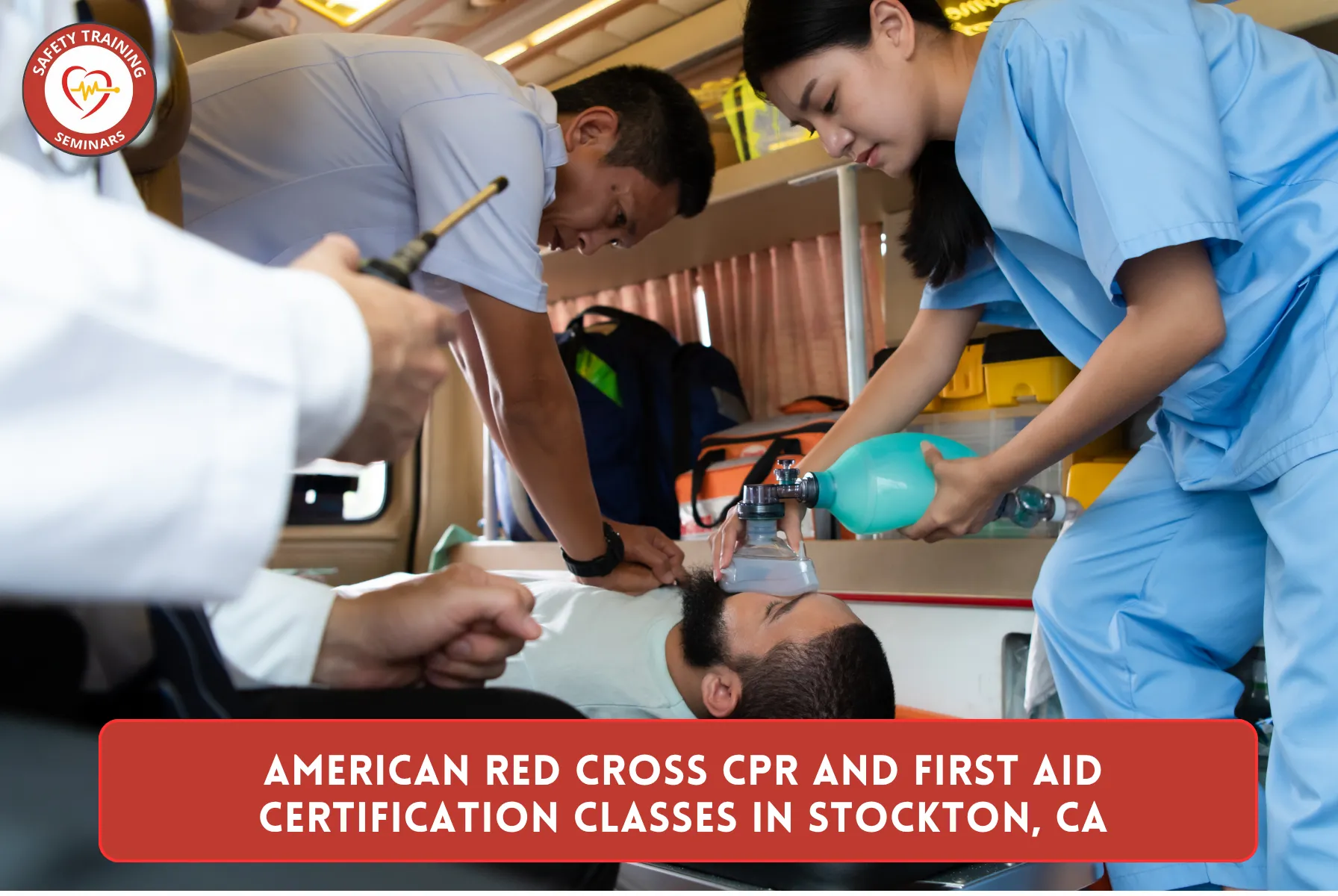
Healthcare professionals, nursing students, dental staff, physical therapists, and emergency medical personnel require a more rigorous curriculum. Basic Life Support (BLS) courses cover multi-rescuer teamwork, advanced airway management devices, bag-valve-mask ventilation, and precise compression-to-ventilation ratios tailored specifically for clinical environments and professional rescue settings.
Local Training Infrastructure and Course Selection
When searching for a CPR and First Aid certification course in Stockton, learners should evaluate several practical elements to ensure they receive a high-quality educational experience:
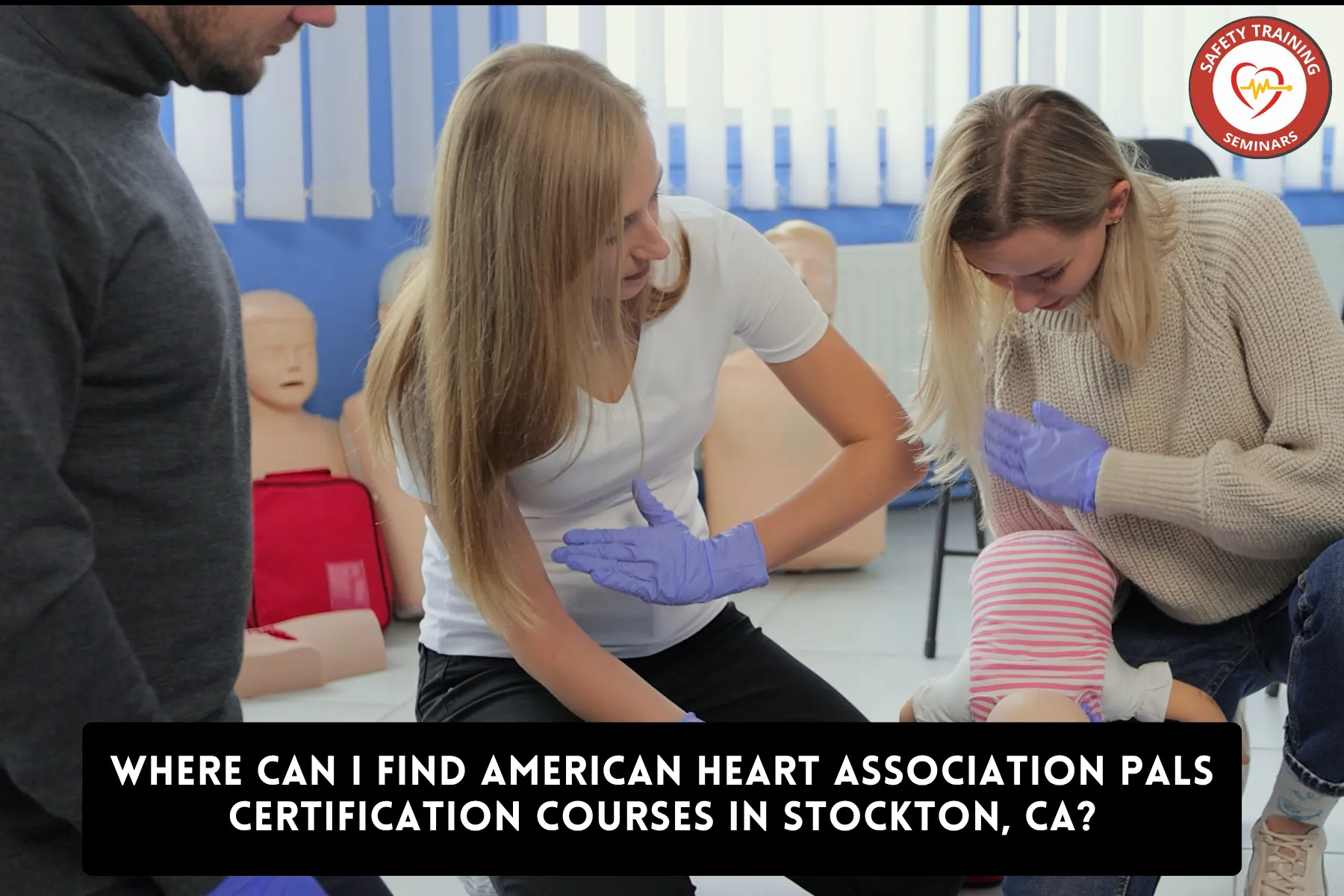
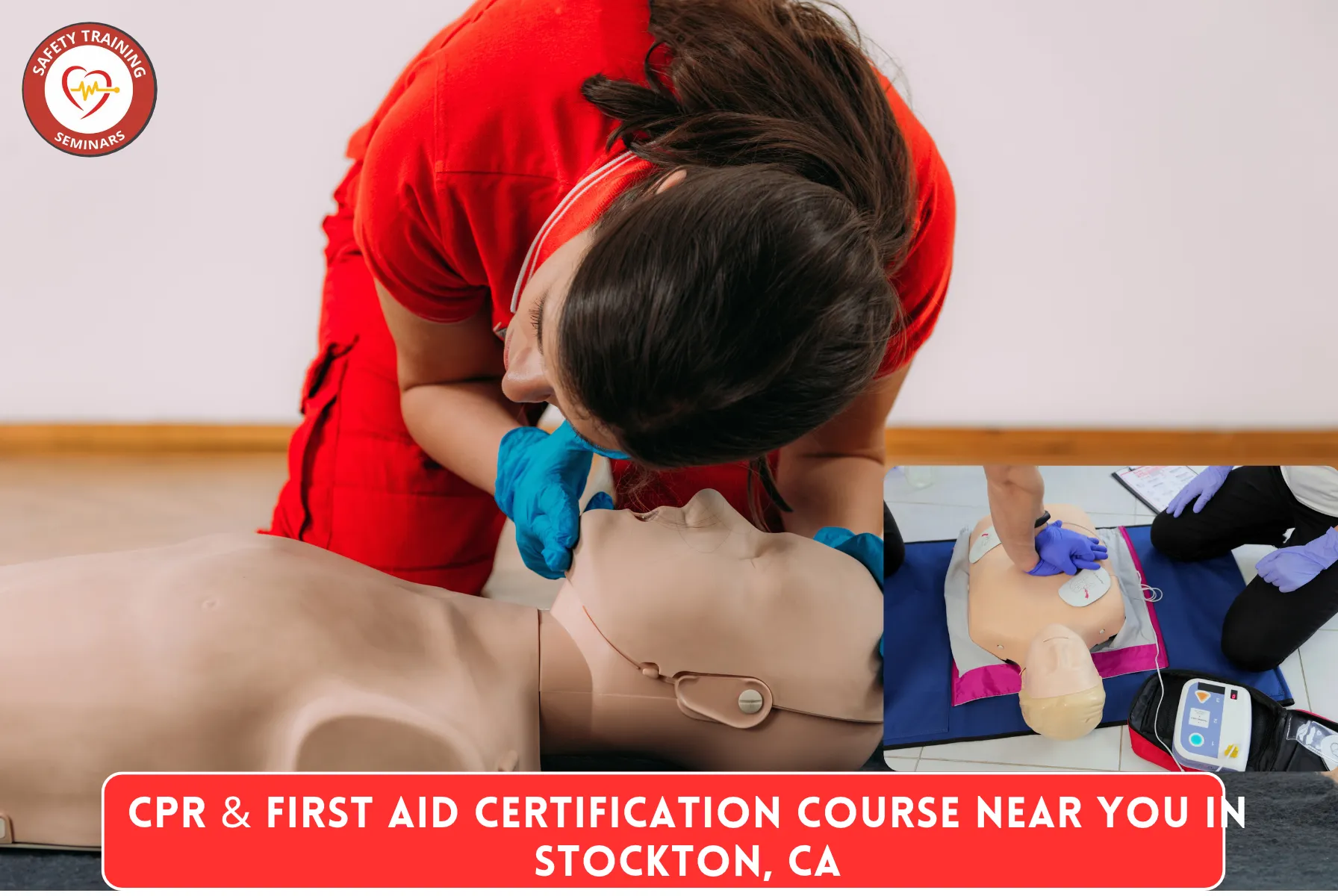
- Hands-On Skills Practice: Reading instructional material or watching video demonstrations provides foundational knowledge, but true muscle memory develops through physical practice on specialized manikins under the direct guidance of experienced instructors.
- Curriculum Alignment: Verify whether your employer, school admissions office, or licensing board mandates American Heart Association (AHA) documentation or another specific governing body.
- Format Flexibility: Many modern programs utilize blended learning models—such as HeartCode® Complete—where students complete the cognitive coursework online at their own pace before attending a structured, in-person skills checkoff session.
- Documentation Delivery: Ensure the provider issues verifiable digital documentation, such as an official AHA Course Completion eCard, which employers can easily authenticate online.
Accessing Professional Training with Safety Training Seminars
For individuals and professionals seeking reputable instruction in San Joaquin County, Safety Training Seminars offers structured, high-quality classes designed to meet rigorous standards. Operating locally at their dedicated facility, the Safety Training Seminars Stockton CPR Training Center Address: 5250 Claremont Avenue, Suite 212, Stockton, CA 95207 provides a professional, distraction-free environment equipped with modern manikins and training AED units.
Safety Training Seminars relies on official American Heart Association guidelines, ensuring that nurses, healthcare providers, educators, and community members receive accepted documentation upon successful course completion. Whether you need to fulfill hospital clinical prerequisites or want to gain confidence in responding to household emergencies, exploring available Stockton CPR and First Aid course options allows you to select a schedule and format that fits your busy lifestyle.
Frequently Asked Questions
How long does a standard CPR and First Aid class take to complete?
Most combined CPR and First Aid courses take approximately 4 to 6 hours when completed entirely in person. Blended learning options allow students to finish the online cognitive portion independently, followed by a much shorter in-person hands-on skills evaluation.
Do employers in Stockton accept online-only CPR certificates?
Most professional employers, healthcare facilities, and regulatory agencies in California do not accept 100% online certification classes because they lack physical manikin practice. To satisfy workplace or clinical compliance, courses must include a supervised hands-on skills checkoff.
How long is an AHA Course Completion eCard valid?
Standard American Heart Association course completion eCards for CPR, First Aid, and BLS are valid for two years from the date of issuance. Renewal courses must be completed prior to the expiration date to maintain continuous compliance.
What should I bring to my in-person skills session?
Students should bring a valid photo ID, comfortable clothing that allows for kneeling and bending during practice, and any required online course completion certificates if taking a blended learning format.
Take the Next Step Toward Preparedness
Being prepared to act during a medical emergency is a valuable skill that benefits your workplace, your family, and the entire Stockton community. Whether you are updating professional credentials or learning life-saving techniques for the first time, enrolling in an approved course provides the knowledge and confidence to respond when it matters most. Review current class availability and secure your spot today to take a proactive step in community safety.